Do You Need a Building Permit for a Large Scale Art Installations
Similar fine art itself, public art projects come up in many forms. The resultant aim tin can be permanent or temporary art; it can exist to create a site-specific slice or integrated work; information technology can be to utilise a sole author with a singular vocalisation, or many collaborators that offer multiple viewpoints; or it can exist art meant to be housed indoors, or a work intended to be left outside to weather the elements.
Furthermore, public art brings with it several specific problems that are best settled earlier a project's onset. Among these concerns is establishing a conspicuously defined and consensual criteria for reviewing proposals and selecting the projection. There too are the matters of deciding where to site the finished artwork and outlining a maintenance and conservation plan.
Click on any below to get straight to that department.
- Project Design
- Options for Site-Specific Artworks
- Options for Community-Based Art Projects
- Temporary Fine art Projects
- Review Guidelines
- Site Selection
- Placement Criteria
- Maintenance and Conservation
- When Is Temporary Art Appropriate?
- Case Studies
Project Design
In that location are a number of different types of art projects: site-specific, community-based, and temporary. Each has a slightly dissimilar commissioning process, detailed below.
Options for Site-Specific Artworks
- Artists tin be commissioned to create a stand alone artwork, or
- The artist, architect and engineer could piece of work collaboratively to integrate the artist's ideas into the building/facility, or
- Funds can be pooled for community-based public art projects, and
- The architect must work cooperatively with the artist and provide the artist, in a timely mode, with all necessary plans, blueprints, drawings, and other such materials that the artist deems necessary to his/her work.
Once an artist has been selected and put under contract, the selection committee should meet with the artist to discuss ideas for the artwork. If a maquette or specific blueprint proposal was role of the option process, the selection committee should identify issues and concerns about the proposed piece that need to be addressed during the design process.
The artist should besides begin whatever background planning work, customs outreach, and/or site visits every bit outlined in their proposal or as necessary (equally indicated by the selection commission or specified in the RFP). When an creative person is part of a design squad, information technology is recommended that the project architect participate in community outreach and public education programs and site visits, rather than just the artist lone.
Before the artist begins the actual design process, he or she should meet with the public art program staff to talk over the following:
- Art projection timeline (vis-a-vis the construction schedule);
- A schedule of meetings and presentations (to the community, project architect, commissioning agency, etc.);
- Any limitations and/or constraints intrinsic to the project or required by the urban center or commissioning agency; and
- A review of general guidelines and goals for the work of public art.
The project selection commission should convene equally necessary, just at least once at the project conceptualization phase and in one case at the terminate of the pre-final blueprint phase, in society to review submitted designs, maquettes, and pattern proposals. These proposals should include fabrication, installation, and maintenance requirements, as well. If approved by the selection committee and public art plan staff, the artist's designs would be forwarded to the Public Fine art Advisory Commission (PAAC) for review and approval. Fine art projects with budgets greater than $50,000 could be sent to the city council as well for approval (optional, based on city council requirements). After all requisite approvals (from the PAAC, public art program staff, selection commission) and the final installation and maintenance description as specified in the artists' contract are received, the fine art project would get into final design and fabrication.
Later all site preparations are fabricated and the artwork is installed, the selection commission would convene, with the projection's structural engineer, to inspect the artwork and brand sure that it was congenital and installed properly. Information technology is as well recommended that the evaluation and documentation of the artwork accept place as soon after installation as possible. Once a post-installation site visit has been made and the work approved as installed, the maintenance program, developed by the creative person in conjunction with the commissioning bureau, should go into result. This process is recommended not but for project specific artworks, merely too for community-based and temporary fine art projects.
Options for Community-Based Art Projects
The same process for developing and reviewing public fine art projects is used even if, during the project conceptualization stage, the projection selection commission decides that funds should exist pooled and used to commission a community-based fine art project.
Participatory public art initiatives, such as customs-based public art projects, provide communities with the ways to positively impact their environment and develop a sense of pride and ownership over their parks, streets, and public institutions. Here, the artist serves every bit a collaborator, interpreter, visionary, teacher, mentor, and liaison between client and customs.
The goal of these community-centered processes is to facilitate the creation of public fine art works that are accessible to the public not simply by virtue of their placement in a public space, or considering of content, but through engaging people in the customs into the process of creating the art, as well as making their knowledge and experience function the fine art'southward design.
These kinds of projects are oftentimes funded by pooled monies, taken from small structure projects or where the project site is non accessible to the public. The process for projection, artist, and site selection should be very flexible. The selection process tin can involve a number of choices for each of these three elements.
Temporary Art Projects
If artworks are to be installed on a temporary footing, the artist'due south designs would only require approval of the pick commission and project funder (a city agency, individual property owner, or private donor). After blueprint blessing, the artwork would go immediately into the final blueprint phase; no maintenance plan would be required. However, the artist should include documents regarding how and when the work is to be removed later display, as well as plans for returning the site to its original condition (if necessary).
Review Guidelines
The selection committee will review submitted public fine art project proposals at the cease of the design phase. If canonical, the creative person designs will exist forwarded to the PAAC for review and approving, afterward which the art projection will go into final design and fabrication.
The committees should adopt specific criteria for the review of the proposed permanent public fine art projects, the almost important of which should relate to the project's technical feasibility - i.e., Can the work be built and installed as proposed? Other criteria that should exist considered:
- Relevance of the piece to the edifice or metropolis, its values, culture, and people;
- Suitability of the work for outdoor brandish, including its maintenance and conservation requirements;
- Relationship of the work to the site and the host customs, especially how it serves to activate or heighten public space;
- Appropriateness of the calibration of the artwork;
- How closely the proposed artwork meets the goals prepare out in the RFP and envisioned by the community.
Site Selection
In society to ensure public fine art is fairly and equitably distributed throughout the city, and that it is sited in such a way equally to raise and activate public spaces, nosotros have listed beneath criteria to guide the placement of art projects. Sites where public art is to be displayed should:
- Experience high levels of pedestrian traffic and exist office of the city's circulation paths;
- Be hands visible and accessible to the public;
- Serve to ballast and activate its site;
- Enhance the overall public environment and pedestrian streetscape feel;
- Assistance to create a place of congregation and activity; and
- Establish landmarks and neighborhood gateways.
Placement Criteria
Furthermore, there are guidelines for artworks placed inside projection sites, to ensure that the works are displayed prominently and conspicuously identifiable as artwork.
For example, artworks displayed in interior public spaces should be publicly accessible at least during normal edifice operating hours without obtaining special passes or permits to view them. Artworks displayed in exterior public spaces should be publicly attainable 24 hours per twenty-four hour period or, if they are sited in a setting such equally a park, be attainable during the normal hours of that site'due south operation.
Another guidelines nigh public art site placement include:
- Artworks should not block windows or entranceways, nor obstruct normal pedestrian apportionment in and out of a building (unless such alteration is specifically a part of the experience or design of the artwork).
- Art should not be placed in a given site if the landscaping and maintenance requirements of that site cannot exist met.
- Art should be sited then as to exist either immediately visible or in a location where it volition be visible past the most people.
- Fine art should be placed in a site where information technology is not overwhelmed by nor competing with the scale of the site or adjacent compages, big retail signage, billboards, etc.
- Art should be placed in a site where information technology will enhance its surroundings or at least not detract from information technology (creating a "blind" spot where illegal activity can accept identify).
- Art should exist sited where it volition create a place of congregation or in a location that experiences high levels of pedestrian traffic and activity.
- Art should be located in a site where information technology will effectively heighten and activate the pedestrian and streetscape experience.
On-site locations for public fine art projects include, but are not limited, to:
- Walls
- Ceilings
- Floors
- Windows
- Staircases
- Escalators
- Entrances and Exits
- Rooftops
In improver, locations for public art projects could include, but are not limited, to:
- Parks
- Plazas
- Along roadways, traffic islands, or medians
- Bridges
- Historic places or landmarks, such as Martin Luther King Boulevard
While it is usual and customary for percent-for-art funded art projects to exist located on property owned or leased by the city, exceptions can be made if an advisable easement or long-term agreement with the property possessor can be reached (usually for at least a seven-year minimum).
Maintenance and Conservation
Public fine art policies spell out procedures, responsibilities, and methods of funding for the ongoing maintenance and conservation of public artworks so that the public art program itself does non become burdened with this toll and responsibleness, unless it chooses to do so. These delineations besides prevent - to as full an extent as possible - the possibility that a work of public art volition fall into disrepair, get dirty, damaged, or even disappear. The conservation and maintenance of some works of fine art can exist painstaking and require a large caste of care. Giving the artist and the commissioning agency or customer an opportunity to work out the artwork's maintenance techniques and schedule helps to ensure that the piece will remain in skillful condition for many years to come.
It is of import to note: Routine maintenance of an artwork becomes the responsibility of the agency that houses the artwork. As part of the contractual requirements, the artist should develop a maintenance plan in cooperation with the commissioning bureau, for the proper twenty-four hours-to-day care of the artwork.
The maintenance program should include a statement regarding the materials from which the piece is fabricated. The commissioning bureau will exist responsible for communicating this data to its custodial staff and providing whatsoever necessary additional tools or equipment to ensure proper daily maintenance of public artworks.
When Is Temporary Art Appropriate?
Installation of temporary fine art may be appropriate to prevent the need for de-accessioning. For example, when a public art program or a client agency/funder cannot afford to maintain a piece of work in perpetuity, works of temporary art, lasting upwardly to x years, for example, could exist deputed. Temporary art also works well as a series placed throughout a downtown or park, or inside a specific geographic area. To generate interest in public art, or where no firm public art tradition exists but there is a desire to create a public fine art tradition, temporary art tin can be useful. Because it is understood to exist of express duration, it can be more challenging and cutting-edge in terms of its bulletin and medium. In addition, a client agency or funder could commission several pieces of temporary art over a menstruum of time, rather than just one piece, which allows the city's public art collection to aggrandize at a faster pace.
Temporary fine art programs also provide valuable opportunities for preparation emerging artists or those unfamiliar with the public-art commissioning process to undertake public art projects that have smaller, more than manageable budgets, often less rigorous contracting procedures, more than flexible deadlines, and offer artists more options in terms of advisable materials. Temporary art projects often give communities a chance to go involved in public art-making, as they are often more suitable to artist/customs collaborations than are larger permanent public art works. These programs also enable communities to go actively involved in identifying and encouraging their own emerging artists; these artists, in turn, tin can nurture the creativity of others.
In a Wall Street Periodical article entitled "Expiration Dates for Art," Geoffrey Fowler points out that the passage of time can have an impact on how the public views the same piece of public art and events, such as September 11th and the autumn of Communism, can render some artworks contextually obsolete or somber reminders of disaster. The reaction of the public to public artworks today (Richard Serra'south "Tilted Arc" still being a notable case) is behind the growing challenge to art world's contention that "public sculpture tin, and should, stick around forever."
Example Studies
UrbanArts, a private public fine art group in Memphis, TN, kicked off its fledgling public art program with a serial of temporary art projects, including calculation public fine art to an almanac waterfront arts festival; starting an ironworking mentoring program whereby local iron workers train high school students to create decorative fencing and gateway medallions for each of the metropolis's neighborhoods; and a series of auditory artworks that recreate and recapture the city's vanished history through storytelling, music, and aural history broadcasts delivered over loudspeakers in locations throughout the downtown.
Examples of other successful temporary art projects effectually the earth:
- New York's Public Fine art Fund has commissioned temporary art projects for more than 10 years, sited in locations throughout the v boroughs of New York, including the renowned exhibition of Ferdinand Botero sculptures along Park Avenue. Sculptures likewise line Berlin's main street (Kufurstendam)
- Creative Fourth dimension'southward marquis signs and art installations in vacant stores and storefronts along 42nd Street, New York City
- Artist-design lifeguard booths, Miami Beach, FL
- International Festival of Arts and Ideas, New Haven, CT
- Block 37: Summertime art classes and exhibitions held in tents set up on a vacant downtown, Chicago
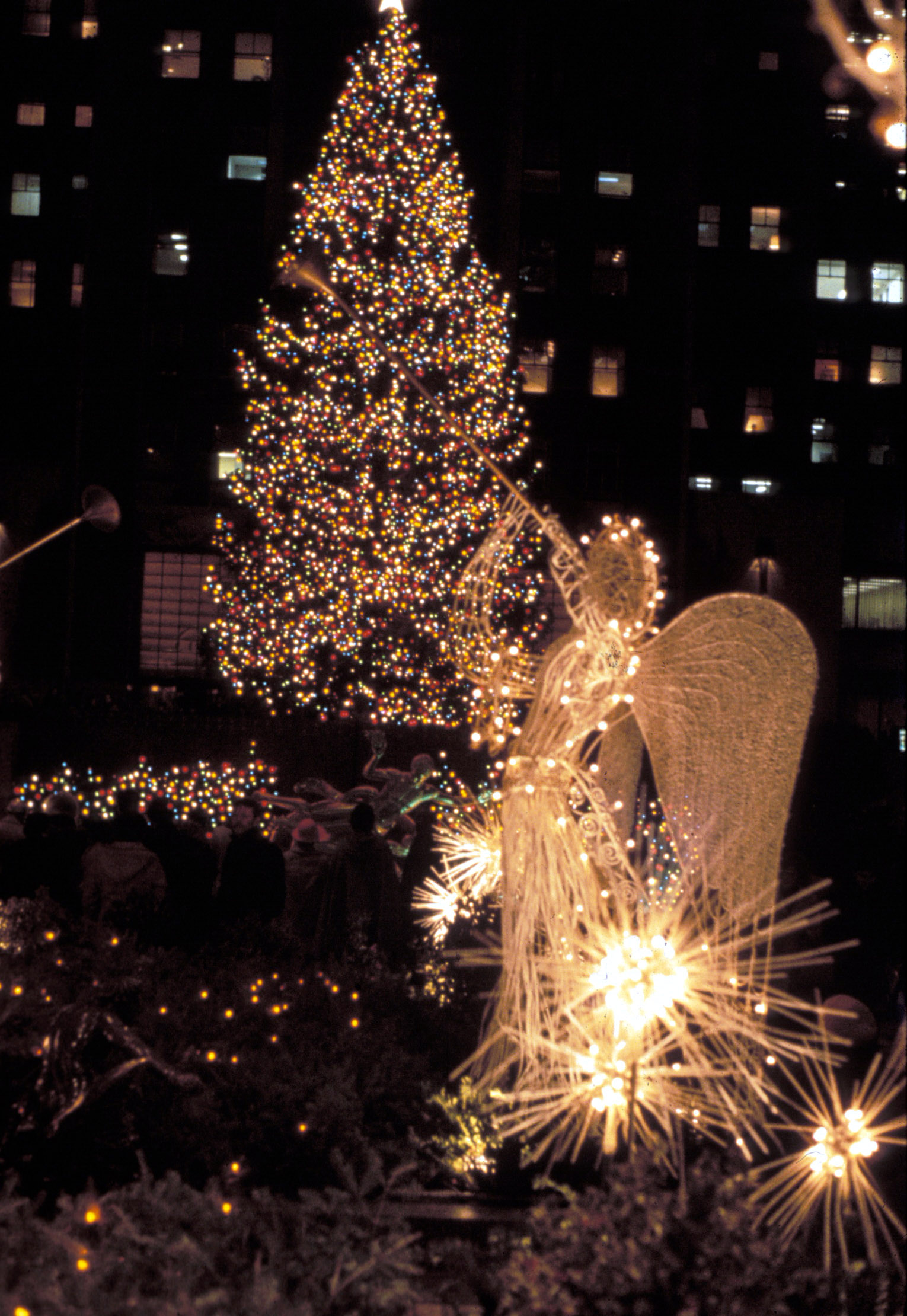
- Christmas tree and exhibits in Rockefeller Centre, New York (right)
- "Cows" and "Pigs" on parade (This project originated in Switzerland and has been utilized in Chicago, New York, and Cincinnati, OH, among other locales)
- Chalk/Street Painting/I Madonnari Festivals; Montgomery, AL, Santa Barbara, CA, Norfolk, VA
- Topographical maps and large format photographs of man settlements and geographic marvels, Luxembourg Gardens, Paris
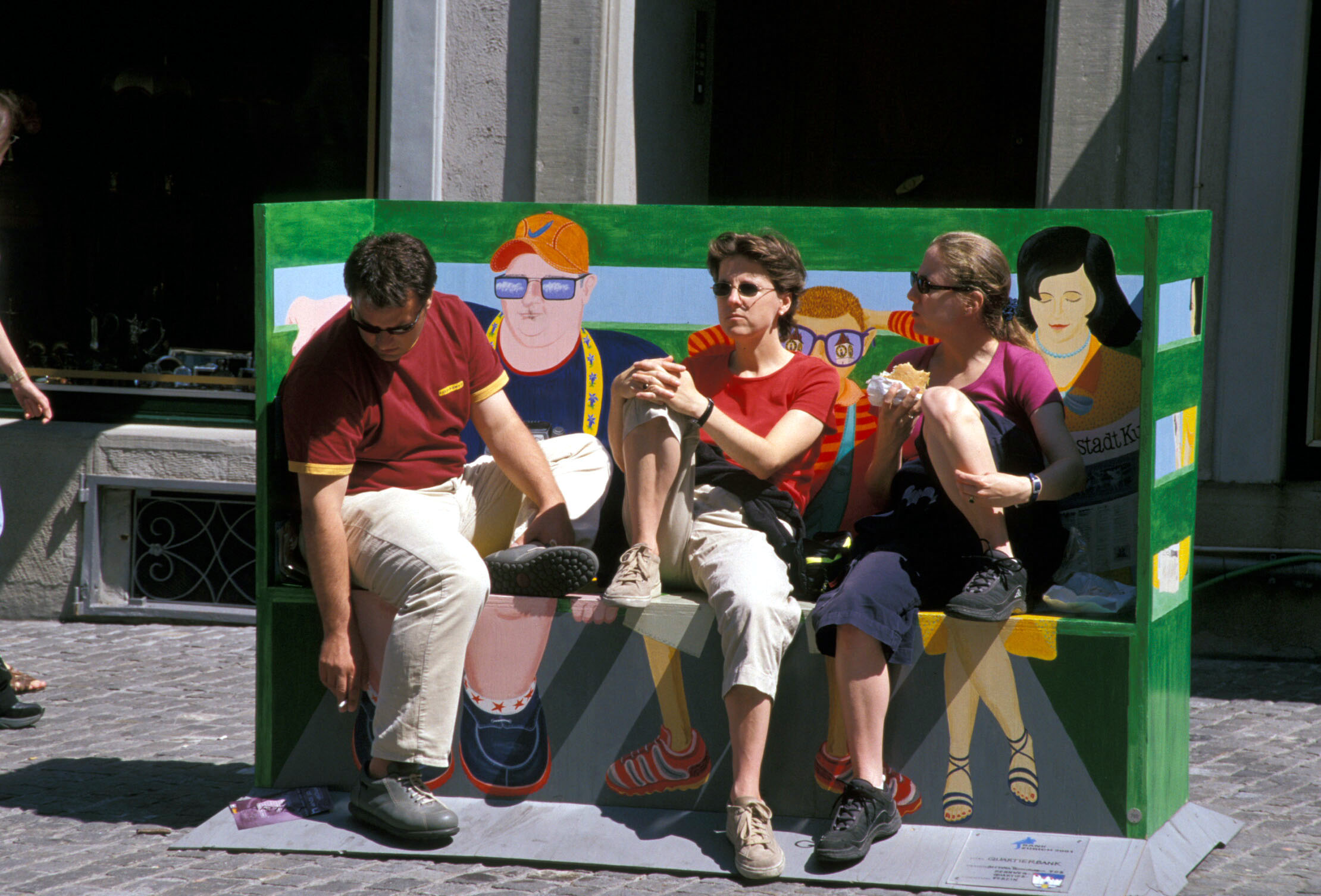
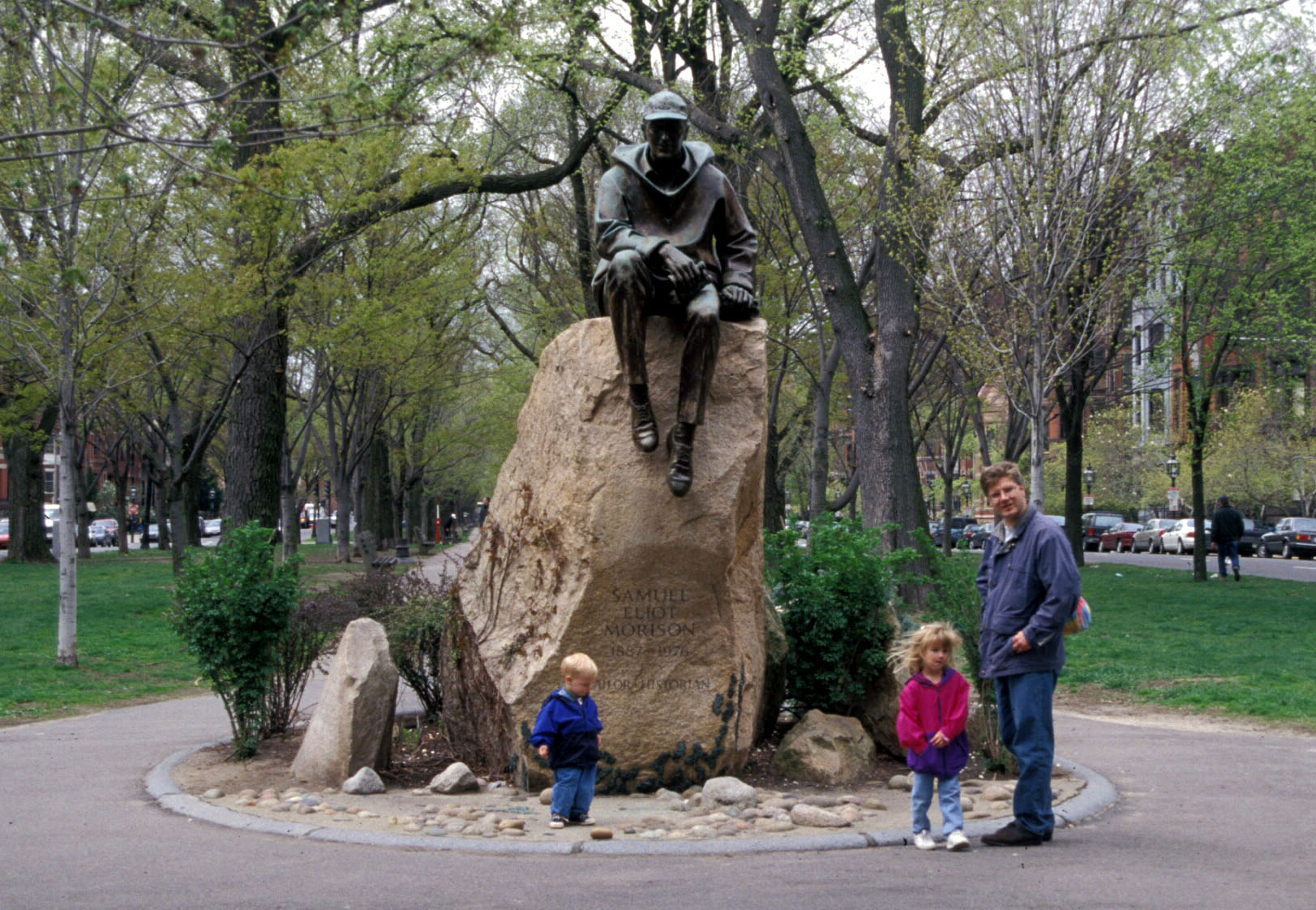
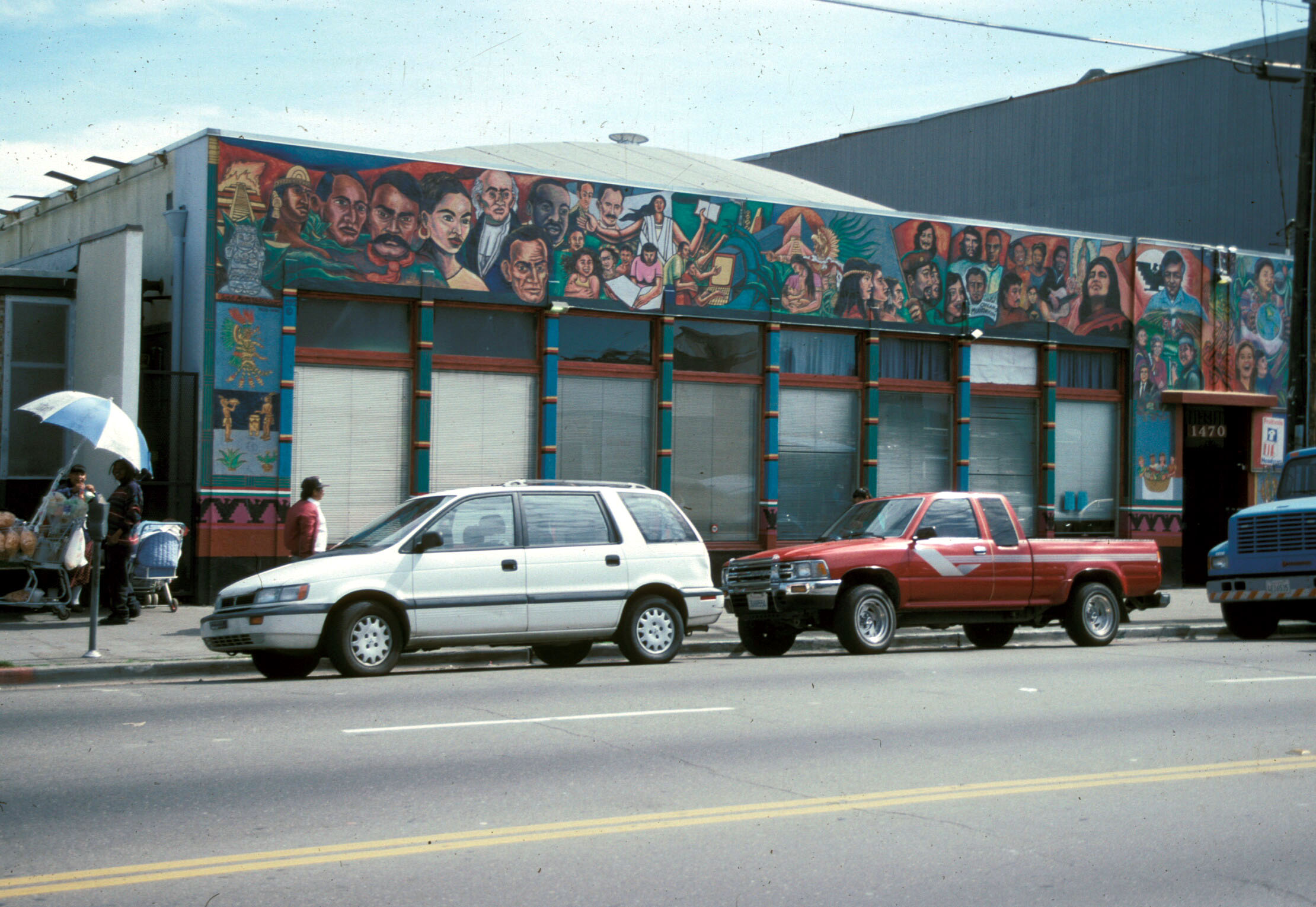
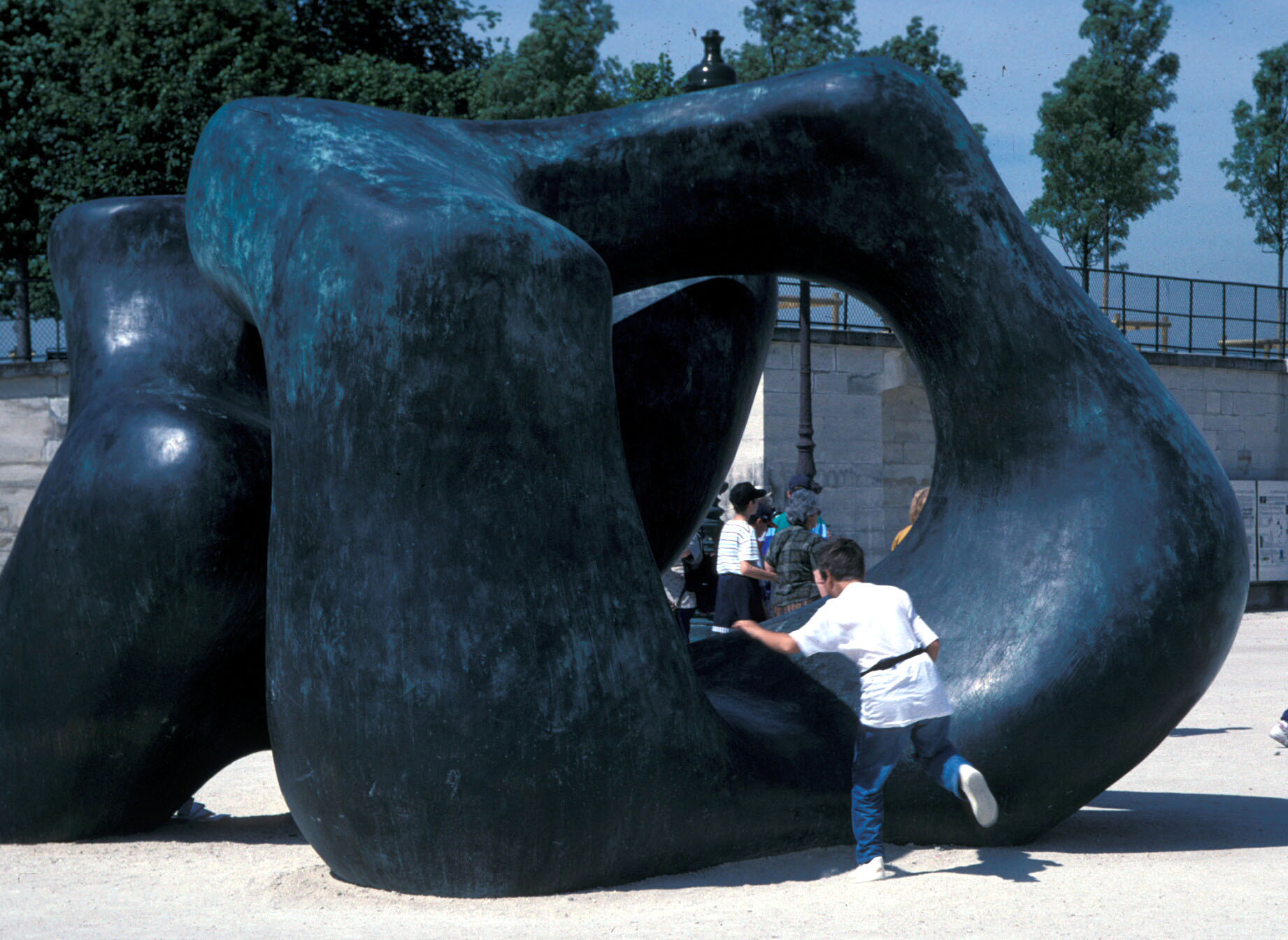
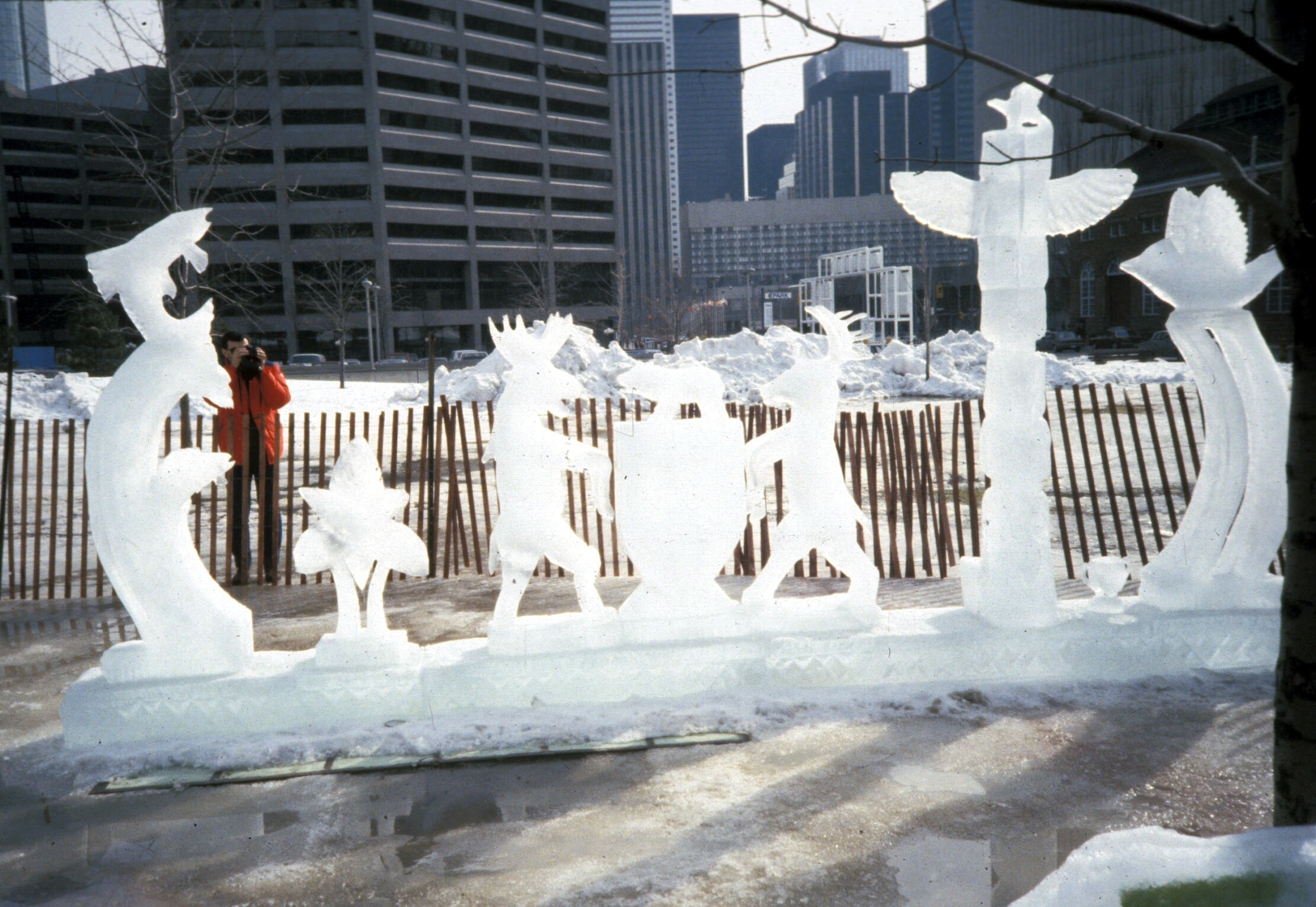
(Images, starting from the top of the folio: a public bench in Zurich, Switzerland; a resting traveler on Commonwealth Avenue, Boston; a landscape in Oakland, CA; interactive sculpture in Jardin des Tuileries, Paris; and fanciful pieces of ice in Toronto)
The rich text chemical element allows y'all to create and format headings, paragraphs, blockquotes, images, and video all in one place instead of having to add and format them individually. Simply double-click and easily create content.
The rich text chemical element allows you to create and format headings, paragraphs, blockquotes, images, and video all in one place instead of having to add and format them individually. Just double-click and easily create content.
Heading One
Heading Ii
Heading Three
Heading Four
Heading V
Heading Six
Trunk TextBody Link
The rich text element allows y'all to create and format headings, paragraphs, blockquotes, images, and video all in one place instead of having to add and format them individually. Simply double-click and easily create content.
Here is some highlighted text from the commodity.

Headings, paragraphs, blockquotes, figures, images, and figure captions can all be styled subsequently a class is added to the rich text chemical element using the "When within of" nested selector system.
Headings, paragraphs, blockquotes, figures, images, and effigy captions can all be styled later a class is added to the rich text element using the "When inside of" nested selector arrangement.
Headings, paragraphs, blockquotes, figures, images, and figure captions can all be styled after a class is added to the rich text element using the "When inside of" nested selector system.
- Bulleted List Item i Headings, paragraphs, blockquotes, figures, images, and figure captions can all be styled later a form is added to the rich text element using the "When inside of" nested selector arrangement.
- Bulleted List Particular 2 Headings, paragraphs, blockquotes, figures, images, and figure captions tin can all be styled after a class is added to the rich text element using the "When inside of" nested selector system.
- Ordered List Item 1
- Ordered List Item 2
Source: https://www.pps.org/article/pubartdesign
0 Response to "Do You Need a Building Permit for a Large Scale Art Installations"
Post a Comment